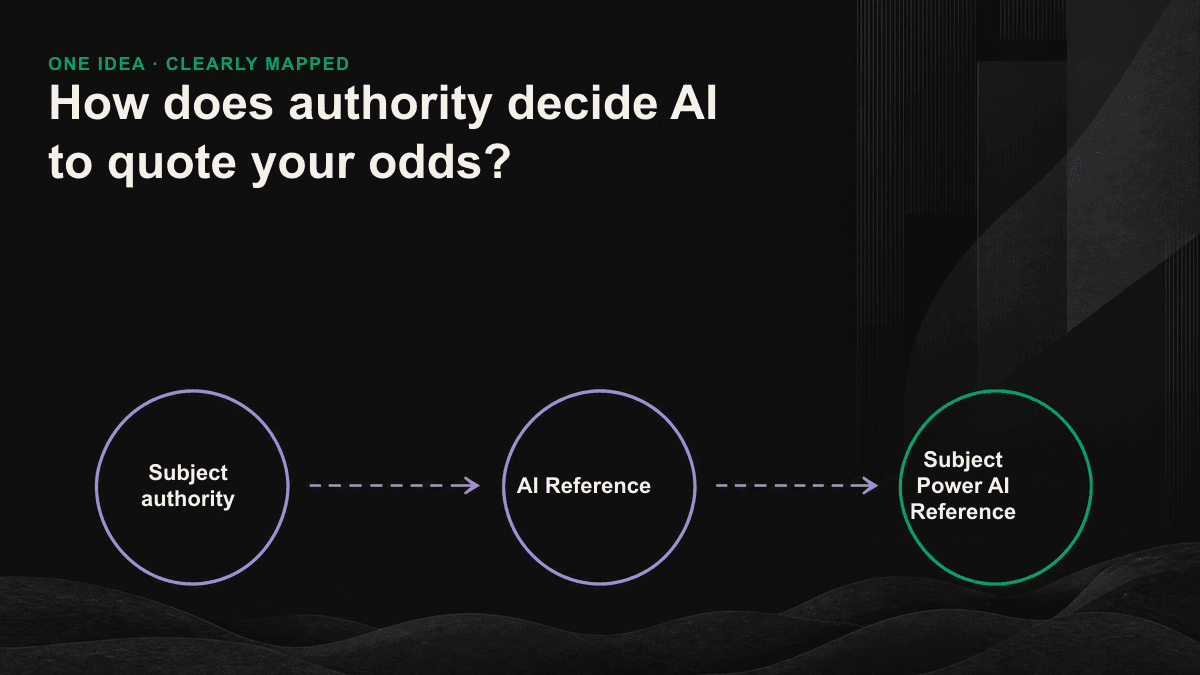
The AI engine is not a piece-by-article rating, but a first determination as to whether "this domain understands the theme or not" and then whether to take you out as a source. This is the subject of authority. The more complete your accumulated pages under a particular subject, the closer you connect to each other, the more consistent your entity signals, the more likely the model is to put you as a credible source when it produces the answers. A single bomb article could not save a website that was broken up on the subject.
What is the subject of authority? What does it have to do with AI citations?
The theme authority refers to the extent to which a domain is considered credible, complete and specialized by the search engine and the AI engine in a specific subject area. It's not a single score, it's the sum of a whole set of signals: you cover the sub-issues of the theme, how the pages support each other, whether your brand is firmly tied to it. The traditional SEO has long been ranked by this concept, but its weight was amplified during the GEO era.
The reason is the way the AI engine works. When the user asks, "B2B SaaS, what to do with content marketing," the model does not climb the entire network immediately, but pulls out a series of paragraphs from the lab that it believes are relevant and credible and synthesizes the answers. If you decide which paragraphs you want to enter the pool, you have the overall credibility of the source on the subject, in addition to the linguistic relevance of the page. A website with only one related article, and a website with 20 linked pages surrounding the subject, have completely different credibility in the eyes of the model.
Why, AI, the engine prefers a subject depth source.
Generating engines are the most afraid to quote the wrong, one-sided source, because it directly leads to wrong answers and undermines user trust. To reduce this risk, the model tends to extract material from the domain of the "repeated, consistent and broad" theme. This is tantamount to treating the subject matter of power as a risk filter: the more evidence you have on this subject, the more comfortable you are, the more likely you are to be considered a safe source.
Specifically, the subject matter authority affects the citation rate through three paths. The first is to check the coverage rate, and the more your page addresses the related problems, the more you get to get into the pool. The second is the physical connection, and when "your brand" and "this theme" appear together in a plethora of languages, the model's knowledge graph binds them, and it's easier to think of you when answering that theme. The third is internal consistency, and if there is a contradiction in the way the same concept is said in the same domain, the model will reduce the overall trust, rather than skip it.
- Checking coverage: The more questions under the theme are covered, the more people enter the answer pool.
- Physical connection: brands and themes are common enough to tie you together.
- Internal consistency: The same jargon, the same headline, speak the same language in the site, so the model can easily be quoted.
- External verification: Other credible sources mention you in the same thematic context, strengthening your authority in that domain.
Why isn't a good article enough?
A lot of B2B's chief executives are like this: a very hard-written flag article, plus 20 separate and unrelated blogs. This structure is in the eyes of the AI engine. The model doesn't see what you're good at, because your signal is diluted to a dozen topics, and each one only touches its fur. It turns out you can't get into the pool on any of your subjects, and none of them will be quoted.
Tenten helped clients with the GEO audit, and the most common gap was not "bad writing" but "unstructured theme." One site may have eight GEO articles, but they are separate, without a single support page, and without links to each other. The way to amend it is often not to write five more, but to reset the existing content into a thematic cluster to fill the missing middle layer so that the model can see that the domain is complete on this topic.
Build power with pillars and jungle structures.
To make the AI engine recognize your own authority, the most practical approach is to use the pillar page with the structure of the theme cluster. The pillar page is responsible for the complete definition of a core theme, covering the main questions of its readers; the cluster articles go into one sub-issue each and go back to the pillar page, which is also linked down to the sub-topics. This connection is the same link that makes it clear to the model: these pages belong to the same theme and the domain says it all.
- Select a theme that you really want to be quoted on, which should be focused enough to be described in one sentence.
- Build a support page that brings together the core definition of the theme, key issues and the connection.
- The sub-questions that the readers will ask each individual article, one answering only one clear question.
- Tie the pillars and sub-topics in two directions with internal links to make the model recognize that this is a jungle.
- Together with the core, one-stop introspection, avoids conflicting interpretations of the same concept.
- Keep closing the gap and observing which sub-issues are not covered by you.
The key here is not the number of pages, but the completeness and clarity of the structure of the overlay. Thirty murmur articles are less than 12 on a single theme, linked to each other and consistent with each other. The former makes models inoperable, and the latter makes models recognize you as a credible source of the subject.
How do you know if you have enough authority over your subject?
The theme of authority cannot be felt alone, but can be observed. The most direct signals are: ask ChatGPT, Perplexity, Gemini, whether you will be mentioned or quoted. If you're not asked the same questions, your signal hasn't accumulated to the doorway to the pool. And that's what AI visibility monitoring is doing -- that's what he's seeing -- turning your references to the AI engines into regular indicators, not sporadic speculation.
AI citation is not a draw, it's a build-up. The model is based on a theme that repeats itself, is consistent and covers the full source. The more structured evidence you have on the subject, the more likely you will be pulled out as an answer.— Tenten GEO content team
The theme will take time to build up, but it will be complicated: every single sub-theme, every strengthening of the internal link, the entire domain will have to fold up the credibility of the theme, not only the page. If you want to know which subjects you already have and which are broken, you can book a 30-minute GEO diagnostic session, and we'll use the questions that you really care about, to see how you're being quoted in the various AI engines, and then point out the most important gaps.